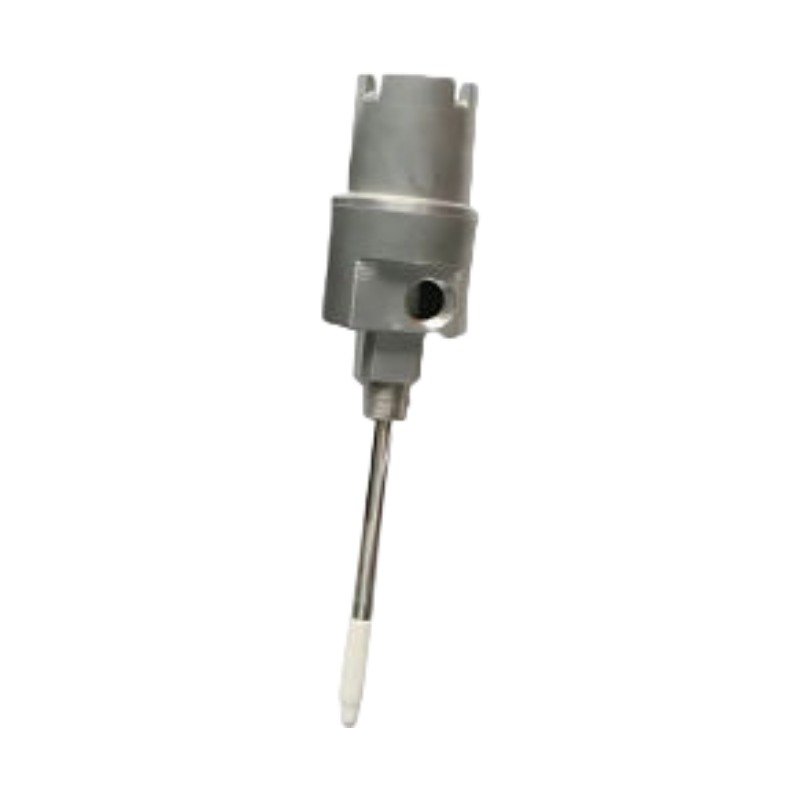
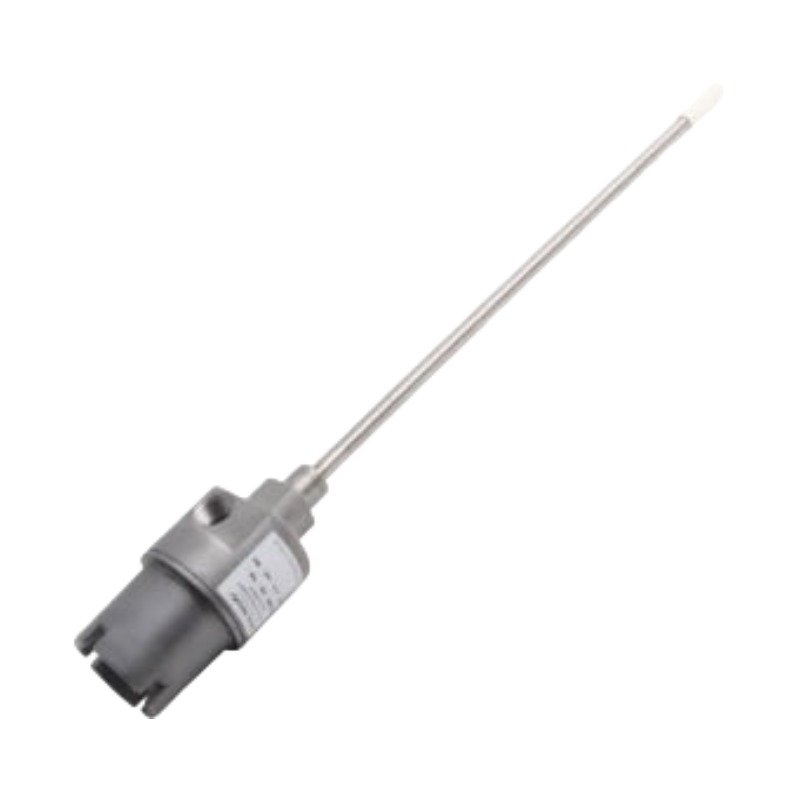
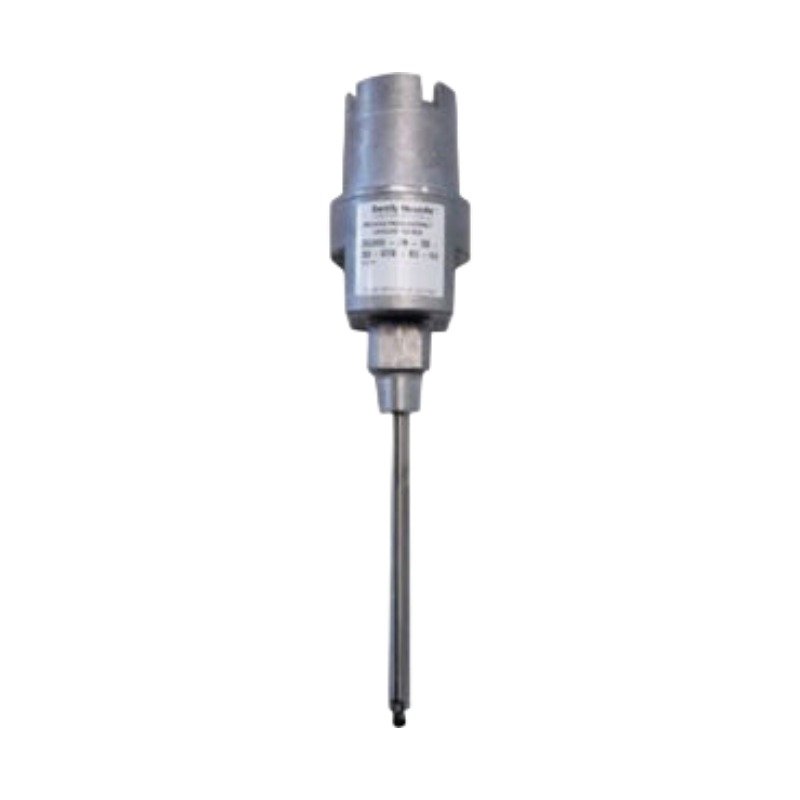
Secure your Bently Nevada 21000-16-10-00-144-03-02 proximity probe housing today. This unit is Brand New, Original Stock, and ready for Global Shipping.
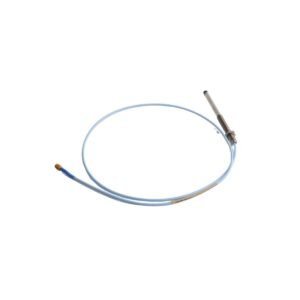
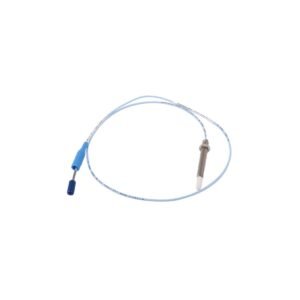
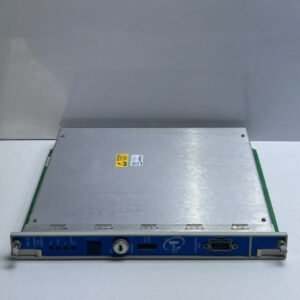
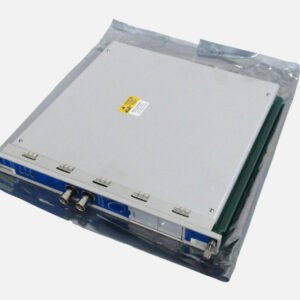
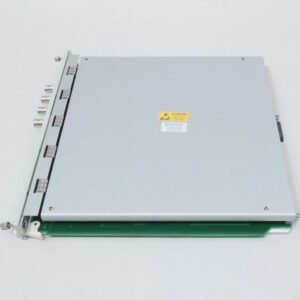
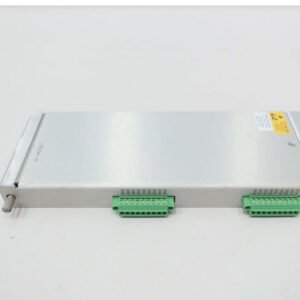
Configured for physical sensor encapsulation in rotating machinery protection networks, the Bently Nevada 21000-16-10-00-144-03-02 (21000 Proximity Probe Housing Assembly) provides direct physical/electrical execution. This specialized mechanical enclosure isolates internal proximity probes from aggressive industrial environments while maintaining precise positioning relative to the monitored shaft surface. The assembly facilitates optimal target-to-tip alignment under high-pressure and corrosive conditions, facilitating uninterrupted eddy-current field propagation for vibration and displacement monitoring.
Hardware Specifications
Parameter
Specification
Model
21000-16-10-00-144-03-02
Brand
Bently Nevada
Origin
United States
Weight
2.10 kg
Dimensions
185 mm x 95 mm x 95 mm
Operating Temp
-40 deg C to 149 deg C
Power Consumption
0.00 W (Passive Mechanical Enclosure)
Housing Material
Class I, Group D Explosion-Proof Aluminum / Stainless Steel
Conduit Connection
3/4-14 NPT thread
Probe Insertion Depth
14.4 inches
Mechanical Monitoring & TSI Characterization
The component interfaces with standard 8 mm and 11 mm eddy-current probe systems to maintain strict calibration metrics. During field setup, technicians must verify the gap voltage validation (-10 VDC targets) using a digital multimeter at the proximity transducer system monitor terminal. This exact negative direct current voltage corresponds to the center of the linear calibration range for standard rotor dynamics analysis.
The structural rigidity of the explosion-proof aluminum housing mitigates high-frequency casing resonance. Consequently, this design executes cross-talk suppression by preventing mechanical vibration coupling between adjacent probe installations on the machine bearing housing. Proper alignment prevents distorted eddy-current probe scaling, ensuring that the proximity sensor captures uncorrupted micro-inch displacement waveforms.
Frequently Asked Questions
Q: How does the housing assembly maintain environmental sealing during continuous thermal cycling?
A: The internal O-ring seals and anodized aluminum body expansion rates match standard industrial transducer components, preventing moisture ingress across the entire -40 deg C to 149 deg C operating envelope.
Q: What are the installation requirements for the NPT conduit connections?
A: Field execution requires standard NPT thread engagement rules. Installers must achieve a minimum of 5 full threads engagement using approved thread sealant to preserve the explosion-proof rating of the enclosure.
Q: Can this housing accommodate non-standard probe insertion lengths?
A: No, the dash option numbers define the physical dimensions. The specific length options regulate the inner sleeve stroke, meaning users must match the probe length exactly to the internal depth selection.
Field Installation Guidelines
Thread Engagement: Ensure the main 3/4-14 NPT explosion-proof conduit hub achieves at least 5 full threads of engagement into the junction box or conduit run.
Probe Alignment: Adjust the internal sleeve slowly to position the proximity probe tip. Monitor the gap voltage output continuously until the system registers the target -10 VDC baseline voltage.
Shield Grounding: Terminate the coaxial cable outer shields at the designated instrumentation ground rail inside the local terminal housing. Never ground the shield at both ends to eliminate the risk of ground loops.
Conduit Sealing: Apply industrial-grade thread compound to all external mechanical threads. Do not allow the compound to contaminate the inner probe sleeve or the sensor tip face.
Additional information
Weight
0.7 kg
Dimensions
26 × 20 × 12 mm
0.0
Average Rating
Rated
(0 Reviews)
Rated
0%
Rated
0%
Rated
0%
Rated
0%
Rated
0%
Be the first to review “Bently Nevada 21000-16-10-00-144-03-02 Proximity Probe Housing Assembly” Cancel reply








0.0 Average Rating Rated (0 Reviews)