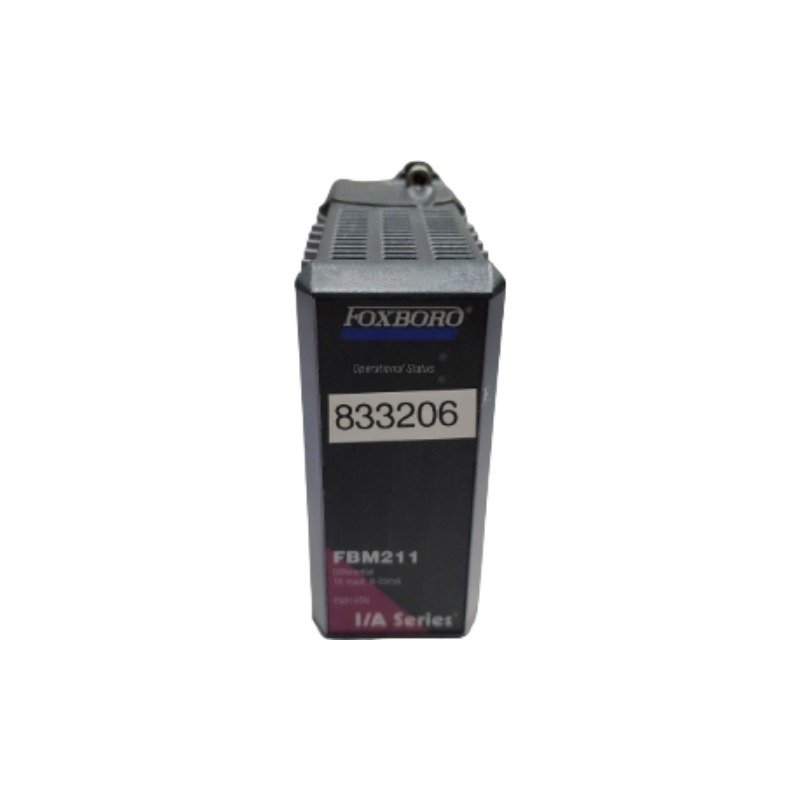
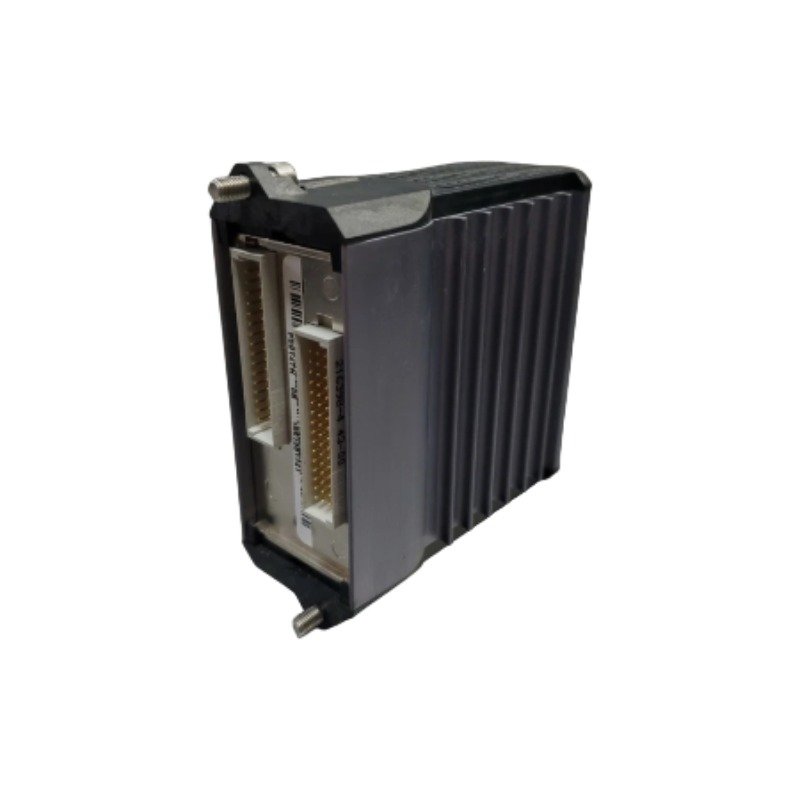
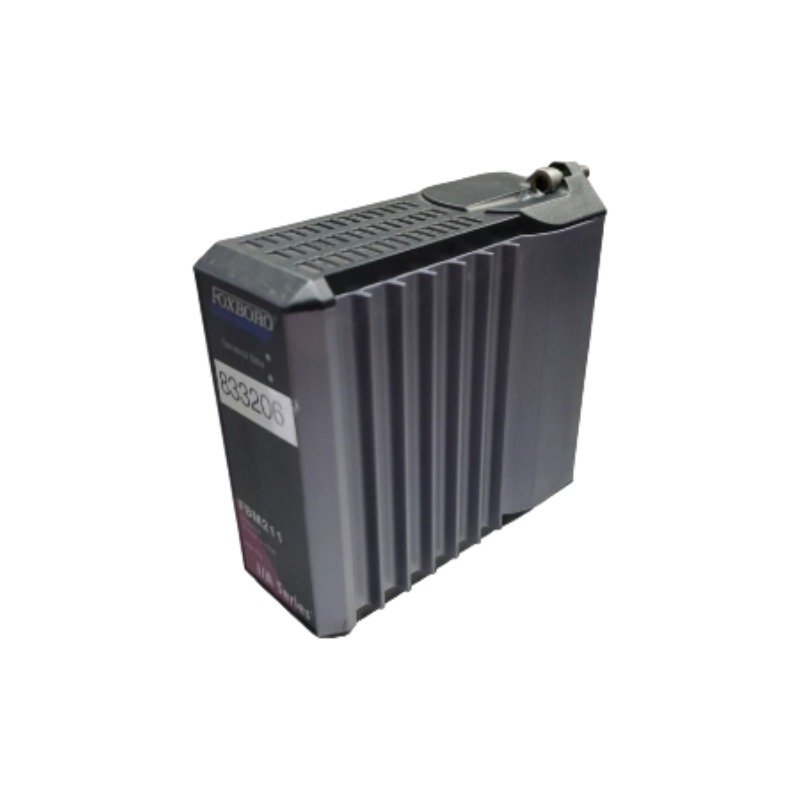
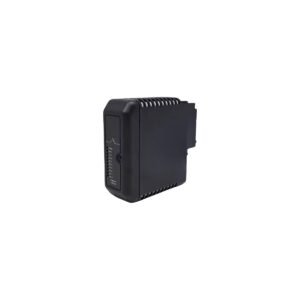
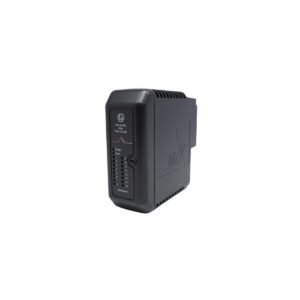
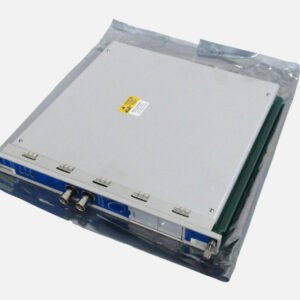
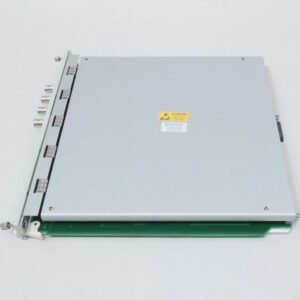
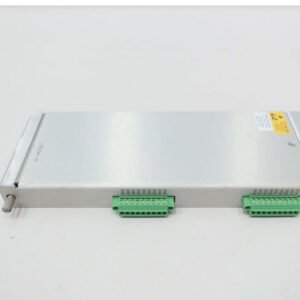
Configured for high-accuracy current signal acquisition and conversion in Foxboro I/A Series platforms, the Foxboro FBM211 (FBM211 Analog Input Module) provides direct physical/electrical execution.
Hardware Specifications
Parameter
Specification
Model
FBM211
Brand
Foxboro
Origin
USA
Weight
Standard Module Weight
Dimensions
Standard Baseplate Slot Mount
Operating Temp
-20 to +70 deg C (-4 to +158 deg F)
Power Consumption
Standard Baseplate Bus Powered
Input Channels
16 isolated, independent channels
Input Range
0 to 20.4 mA DC per channel
Channel Current Limit
33 mA per channel
Conversion Accuracy
+/-0.03% of full scale (including linearity)
Temperature Coefficient
+/-50 ppm/deg C
A/D Conversion Technique
Multiplexed Sigma-Delta converter per channel
Integration Period
Software configurable
Common Mode Rejection Ratio
> 100 dB at 50 Hz or 60 Hz
Normal Mode Rejection Ratio
> 35 dB at 50 Hz or 60 Hz
Input Channel Impedance
61.9 ohm nominal
Storage Temp (Module)
-40 to +70 deg C (-40 to +158 deg F)
Storage Temp (PVC TA)
-20 to +50 deg C (-4 to +122 deg F)
Storage Temp (PA TA)
-20 to +70 deg C (-4 to +158 deg F)
Relative Humidity
5% to 95% (non-condensing)
Analog Signal Acquisition and Loop Isolation
The FBM211 manages current loop measurements across 16 electrically independent channels, utilizing a multiplexed Sigma-Delta A/D converter per channel to process 0 to 20.4 mA DC signals. Built-in channel-to-channel isolation prevents ground loop interference, maintaining accurate signal digitizing in dense cabinet layouts. Furthermore, when interfacing with field transmitters running 4-20 mA HART loop protocol configurations, the module’s 61.9 ohm nominal input impedance ensures compatible loop load conditions. For temperature-critical field points wired through external termination assemblies, integrated cold junction compensation (CJC) maintains calibrated sensor baselines during ambient temperature fluctuations.
Frequently Asked Questions
Q: How does the FBM211 prevent channel overcurrent conditions caused by loop short circuits?
A: Each individual input channel contains dedicated hardware current limiting set at 33 mA maximum. This safety architecture prevents field loop short circuits from damaging internal conversion circuitry or interfering with adjacent channel readings.
Q: What impact do line noise frequencies have on the analog conversion performance of the FBM211?
A: The module achieves over 100 dB Common Mode Rejection Ratio and over 35 dB Normal Mode Rejection Ratio at standard 50 Hz and 60 Hz line frequencies, effectively filtering induced power line noise prior to digital conversion.
Field Installation Guidelines
Insert the FBM211 module directly into the designated slot on the Foxboro baseplate until the mounting latches click firmly into place.
Connect field wiring to the appropriate terminal blocks, keeping low-voltage 0-20 mA signal runs separated from AC power lines by at least 200 mm.
Ensure that field cable shield drain wires connect to the designated instrument ground bus at a single cabinet earth point to maintain high noise rejection performance.
Verify that storage and operating cabinet conditions stay within specified environmental ranges, particularly when using PVC-based termination assemblies restricted to +50 deg C maximum.
Additional information
Weight
0.60 kg
Dimensions
67 × 42 × 74 mm
0.0
Average Rating
Rated
(0 Reviews)
Rated
0%
Rated
0%
Rated
0%
Rated
0%
Rated
0%
Be the first to review “Foxboro FBM205 Redundant Analog I/O Interface Module” Cancel reply








0.0 Average Rating Rated (0 Reviews)