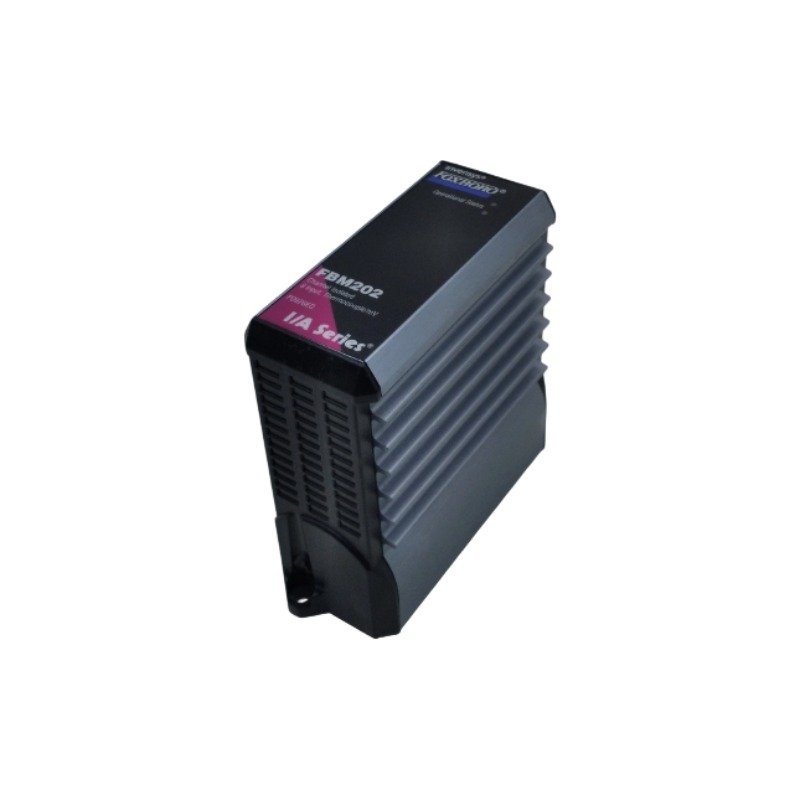
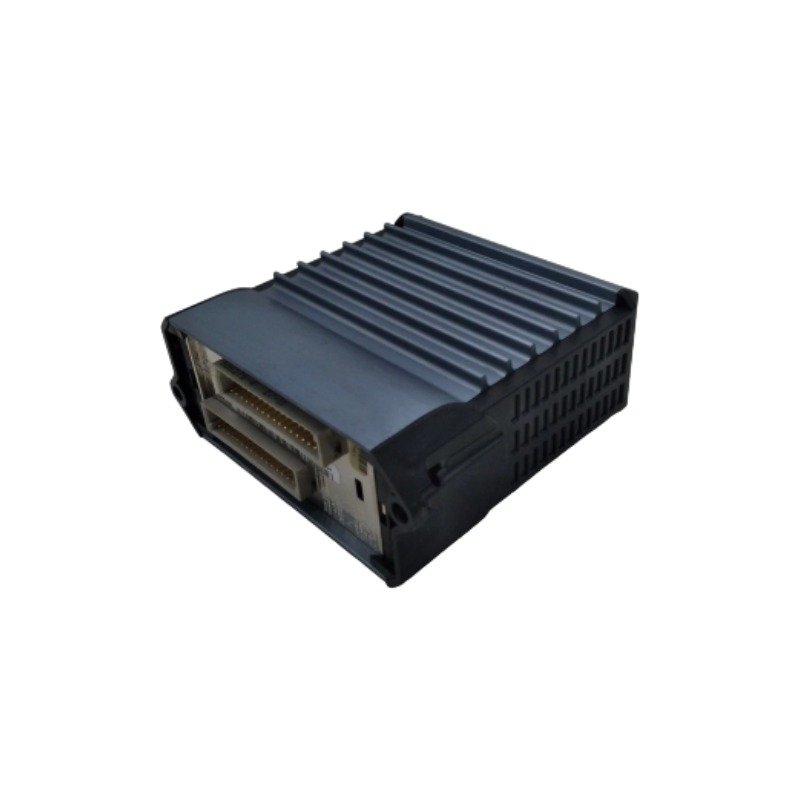
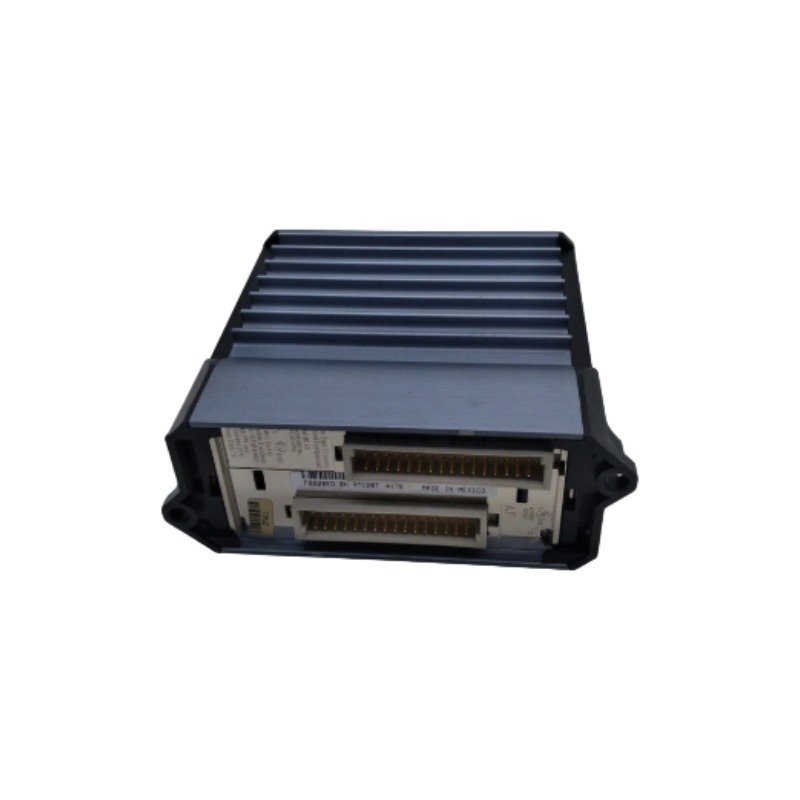
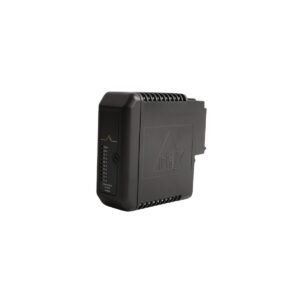
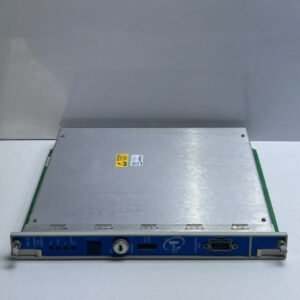
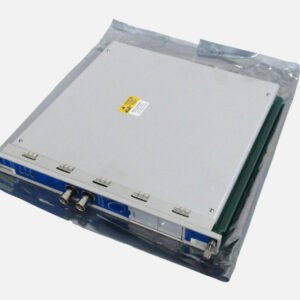
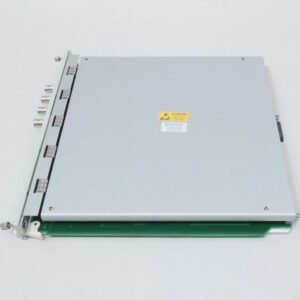
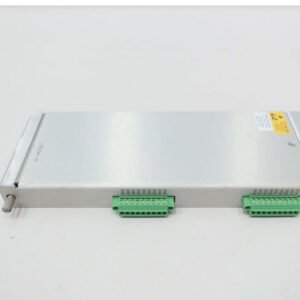
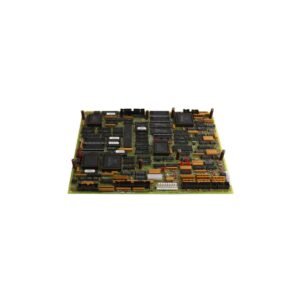
The Foxboro FBM202, also cataloged as the FBM202 Thermocouple/mV Input Module, operates as a dedicated hardware component for multi-channel millivolt signal conversion and reference junction temperature compensation within Foxboro I/A Series platforms.
-10.5 to +69.5 mV DC (0 to 64000 raw counts); 71.419 mV full scale (65535 raw counts)
Differential Input Impedance
10 M ohm
Reference Junction Support
4-wire 100 ohm platinum RTD (IEC 751, Class B)
Measurement Accuracy
+/-0.03% full scale (+/-27 uV) at 25 deg C for mV input; +/-0.03% full scale for RTD
Reference Junction Accuracy
+/-0.50 deg C using Foxboro termination assembly; RTD consistency +/-0.25 deg C
Temperature Coefficient
+/-50 ppm/deg C
Maximum Common Mode Voltage
30 V AC or 60 V DC
Integration Period
Software configurable
Temperature Signal Processing and Cold Junction Compensation
The FBM202 digitizes low-level millivolt voltages through eight isolated analog paths, converting raw field inputs spanning -10.5 to +69.5 mV DC into digital control values. Channel-to-channel isolation barriers eliminate common-mode voltage offsets up to 60 V DC, maintaining signal fidelity across industrial control enclosures. For high-accuracy temperature loops, cold junction compensation (CJC) processing utilizes a dedicated 4-wire 100 ohm platinum RTD connected at the termination assembly. This configuration balances thermal drifts across field wiring junction terminals, enabling precise temperature conversion across the control backplane network.
Frequently Asked Questions
Q: How does the FBM202 manage temperature compensation errors caused by ambient gradient fluctuations at field terminal blocks?
A: The module pairs with a 4-wire 100 ohm platinum RTD mounted on the local termination assembly. This setup calculates cold junction compensation (CJC) offsets continuously with +/-0.50 deg C accuracy, suppressing local ambient temperature shifts.
Q: What are the input impedance limits when connecting high-impedance millivolt sensors to the FBM202?
A: Each differential input channel provides a 10 M ohm nominal input impedance. This high impedance minimizes loading effects on low-voltage thermocouple circuits across the entire -10.5 to +69.5 mV DC operating range.
Field Installation Guidelines
Slide the FBM202 module into the designated slot on the Foxboro baseplate until the top and bottom mounting latches fully lock into place.
Route low-voltage thermocouple and mV sensor cables away from high-voltage AC lines, keeping a physical clearance of at least 200 mm inside cabinet ducting.
Wire the external 4-wire 100 ohm platinum RTD reference junction sensor directly to the designated termination assembly channels to ensure accurate CJC tracking.
Ground cable shield drain wires at a single functional instrument earth bus bar within the cabinet to prevent differential noise interference.
Additional information
Weight
0.60 kg
Dimensions
74 × 75 × 46 mm
0.0
Average Rating
Rated
(0 Reviews)
Rated
0%
Rated
0%
Rated
0%
Rated
0%
Rated
0%
Be the first to review “Foxboro FBM202 Thermocouple/mV Input Module” Cancel reply







0.0 Average Rating Rated (0 Reviews)