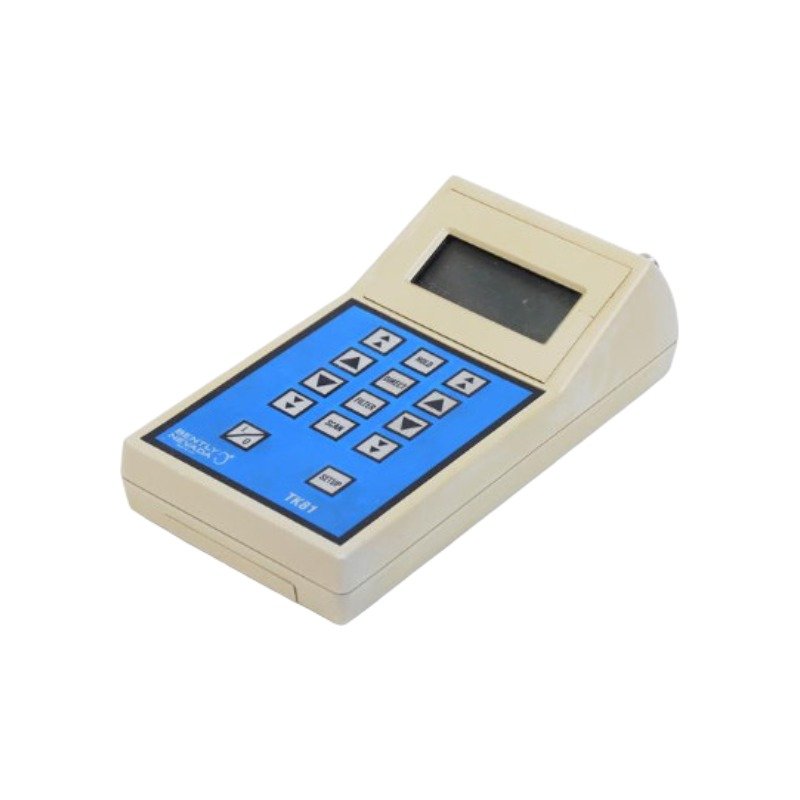
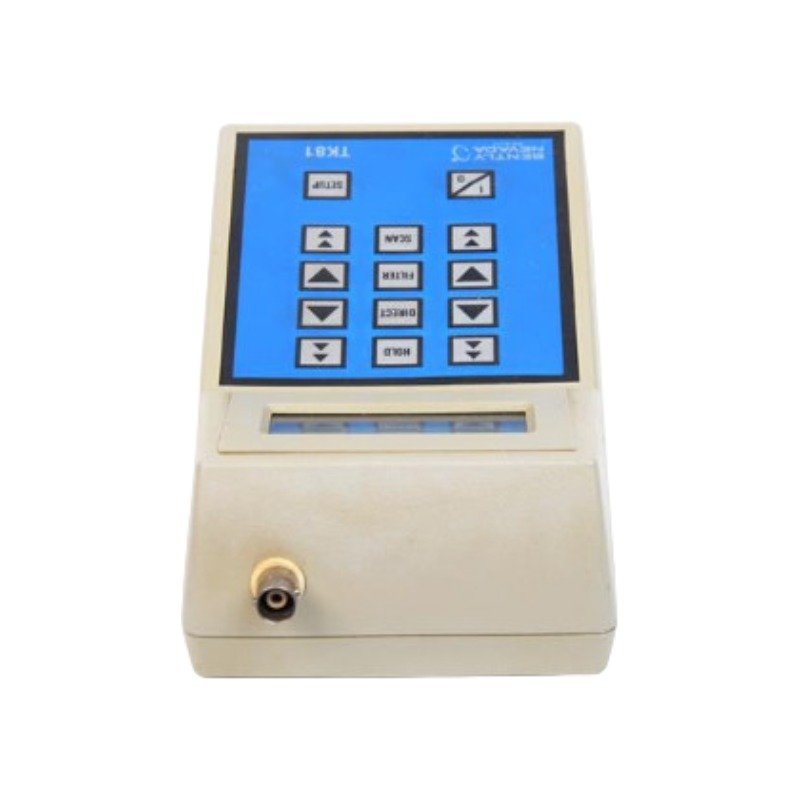
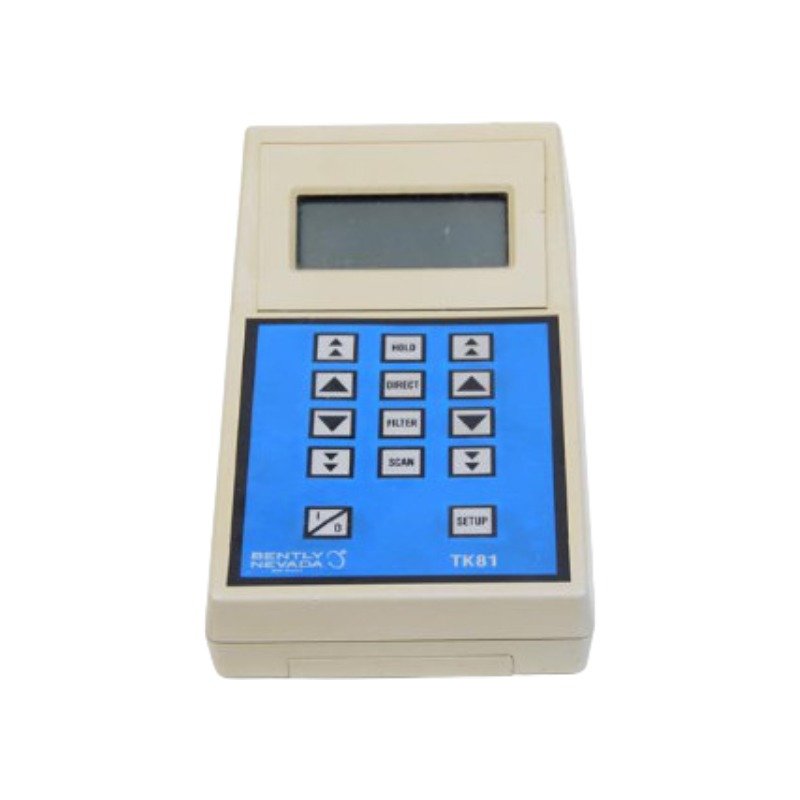
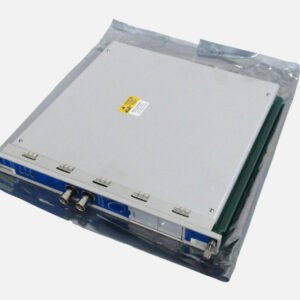
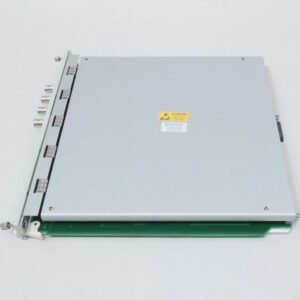
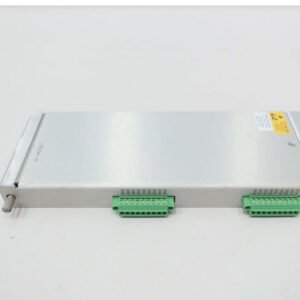
Configured for precise transducer calibration and hardware simulation in machinery protection networks, the Bently Nevada 80466-02, also cataloged as the 80466-02 TK81 Tuning Kit, provides direct physical/electrical execution. Specifically, this portable field instrument simulates dynamic rotor dynamics and precise electrical gap variations by generating controlled mechanical displacement and calibrated analog test voltages. Consequently, the specialized tool allows instrument technicians to verify downstream monitoring rack logic and calibrate proximity probe loops without rotating the main machine train. Furthermore, the integrated physical micro-adjustment mechanism ensures exact micrometer displacement steps to confirm the strict linear execution of proximity transducer curves.
Hardened tool steel and anodized structural aluminum
Eddy-Current Probe Scaling and Mechanical Validation
Because the tuning unit acts as the primary validation master for proximity loops, its mechanical stability directly dictates the precision of eddy-current probe scaling calculations. If the internal micrometer assembly suffers from thread wear or alignment deflection, the unit introduces microscopic spatial tracking errors that distort the verified sensor linearity curve. Therefore, the Bently Nevada 80466-02 TK81 uses high-rigidity structural rails to maintain absolute perpendicularity between the mounted proximity probe tip and the target steel block material.
During standard validation routines, field technicians perform systematic gap voltage validation across the full scale of the transducer. By stepping the micrometer in precise increments, the installer documents the raw output voltage curve to confirm the standard 200 mV/mil calibration factor. This procedure verifies that the target remains within the optimal linear zone around the -10 VDC target voltage. Additionally, the rigid mechanical frame suppresses ambient workplace environmental vibrations during testing, ensuring high cross-talk suppression and preventing external mechanical noise from corrupting the static voltage validation data.
Frequently Asked Questions
Q: How does the target material composition inside the TK81 kit affect eddy-current probe scaling?
A: Proximity sensors calibrate tightly to a specific material chemistry, typically AISI 4140 steel. The TK81 contains a certified 4140 target coupon; using an uncertified or non-magnetic target material will shift the eddy-current properties, causing the output voltage to deviate heavily from the nominal 200 mV/mil scale factor.
Q: Can technicians use the 80466-02 instrument to calibrate high-temperature proximity probe systems?
A: Yes, you can mount high-temperature probes into the mechanical spindle adapters for electrical verification. However, you must perform the actual testing within the 0 to +50 deg C operating limits of the micrometer body to prevent thermal expansion of the steel components from introducing spatial tracking errors.
Field Installation Guidelines
Clean the face of the certified AISI 4140 steel target coupon thoroughly with a lint-free cloth to remove grease, dust, or protective oils before starting validation.
Insert the correct probe adapter bushing into the spindle clamp, ensuring a tight mechanical fit that prevents the probe body from rocking during micrometer rotation.
Thread the proximity probe into the adapter bushing until the tip gently touches the target surface, then zero out the mechanical micrometer barrel.
Back the micrometer away from the target in increments of 0.25 mm (10 mils) while measuring the analog output voltage at each step to verify loop linearity.
Keep all magnetic tools, electronic devices, and wireless communicators a minimum of 300 mm away from the tuning kit block to prevent electromagnetic fields from distorting the eddy currents.
Additional information
Weight
2.45 kg
Dimensions
320 × 220 × 230 mm
0.0
Average Rating
Rated
(0 Reviews)
Rated
0%
Rated
0%
Rated
0%
Rated
0%
Rated
0%
Be the first to review “Bently Nevada 80466-02 TK81 Tuning Kit” Cancel reply






0.0 Average Rating Rated (0 Reviews)