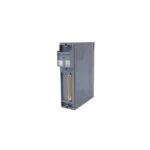
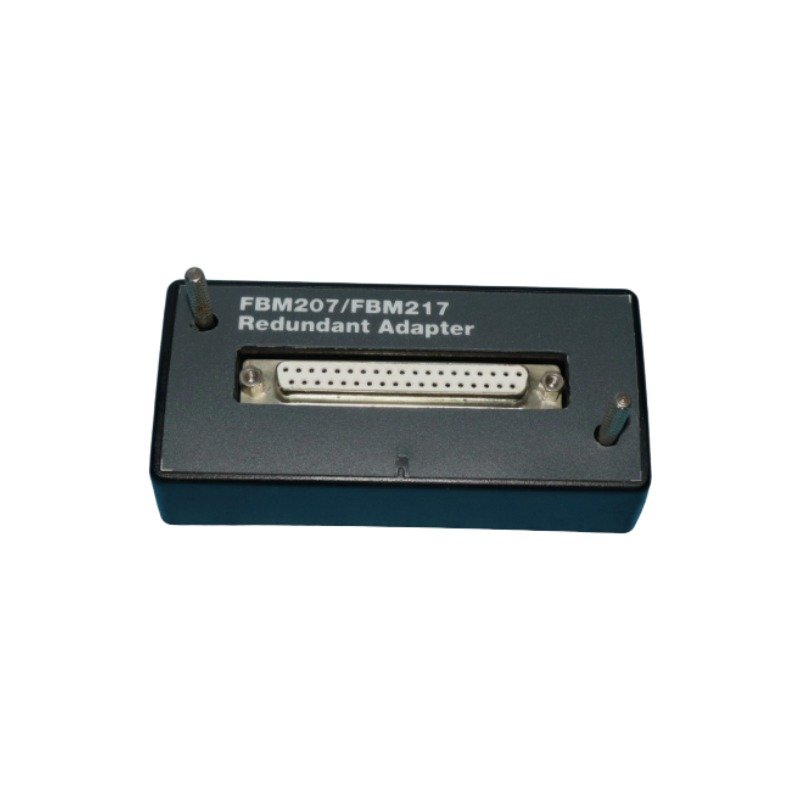
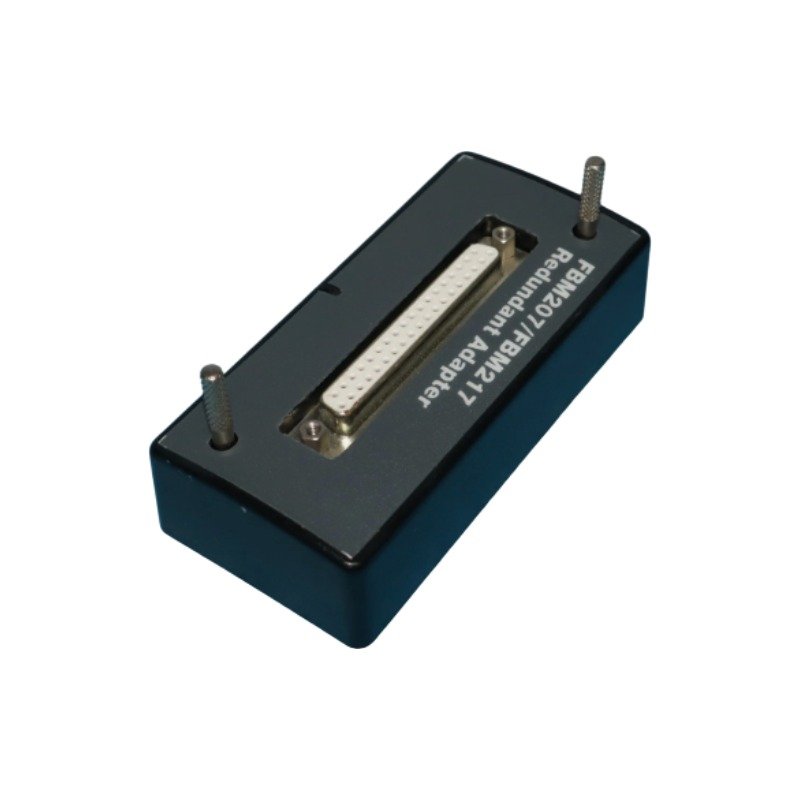
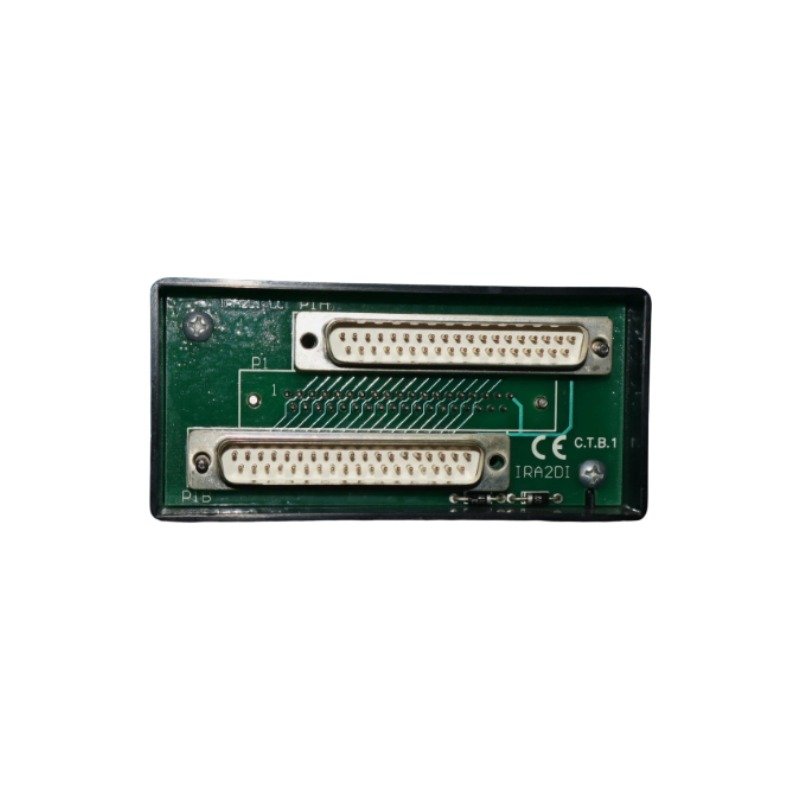
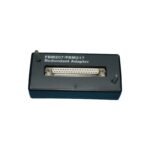
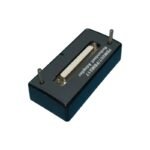
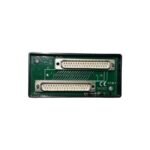
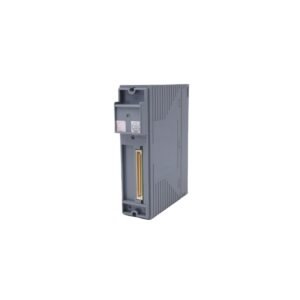
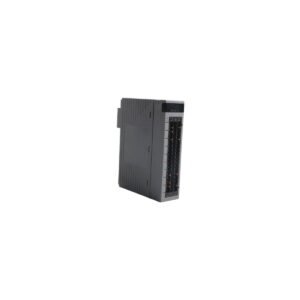
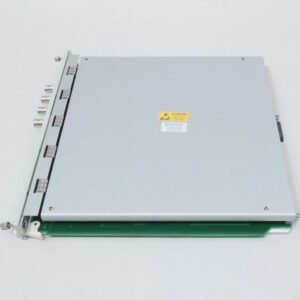
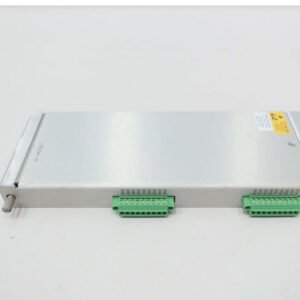
Configured for high-density discrete signal acquisition across Foxboro I/A Series DCS platforms, the Foxboro FBM207/FBM217 (FBM207/FBM217 Discrete Input Interface Modules) provide direct physical and electrical execution. The modules process up to 32 discrete input channels, rapidly converting field switch states and contact closures into digital database signals for real-time control logic execution.
Hardware Specifications
Parameter
Specification
Model
FBM207 / FBM217
Base Models
FBM207 / FBM217
Brand
Foxboro
Origin
USA
Weight
0.284 kg (284 g)
Dimensions
4.5 x 11.5 x 11 cm
Input Channels
16 channels (FBM207) / 32 channels (FBM217)
Input Types
Contact sense (24 VDC wetting) or external voltage signals
600 VAC galvanic isolation (group or channel-to-channel via TA)
Power Supply
24 VDC ±5% (Redundant backplane supply)
Operating Temp
-20 deg C to +70 deg C
Ambient Humidity
5 to 95 % RH (non-condensing)
Process Control Instrumentation & Channel Isolation
The modules continuously monitor field contact state changes by evaluating voltage differentials or driving contact wetting circuits. Consequently, internal optical isolators separate field wiring loops from central backplane communication buses. Furthermore, high-voltage attenuation integrated within dedicated Termination Assemblies (TAs) blocks common-mode electrical transients up to 600 VAC. Configurable digital debounce filters additionally eliminate false logic transitions caused by relay contact chatter, thereby ensuring stable input state evaluation across process control blocks.
Frequently Asked Questions
Q: How do the FBM207 and FBM217 modules differ in terms of channel density and operational behavior?
A: The FBM207 provides 16 discrete channels featuring dedicated 24 VDC contact sense wetting voltage, whereas the FBM217 expands density to 32 discrete channels supporting broader AC and DC input ranges via specialized Termination Assemblies.
Q: What mechanism prevents field relay contact bounce from creating erroneous control signals?
A: Engineers configure internal digital debounce times to 4, 8, 16, or 32 ms via software. Consequently, the module delays state updates until field signals remain steady across the selected duration, effectively suppressing transient mechanical chatter.
Field Installation Guidelines
First, slide the module into its designated baseplate slot on the 200 Series DIN-rail assembly until the rear bus connector latches firmly into place. Next, attach field control cables to the designated Termination Assembly (TA), ensuring field excitation voltages match the specific TA configuration. Additionally, terminate all cable shielding wires at panel ground busbars to maintain Class G3 harsh environment protection standards and minimize electrical noise interference. Finally, verify power rail voltage levels prior to restoring 24 VDC backplane supply power.
Additional information
Weight
0.284 kg
Dimensions
65 × 40 × 45 mm
0.0
Average Rating
Rated
(0 Reviews)
Rated
0%
Rated
0%
Rated
0%
Rated
0%
Rated
0%
Be the first to review “Foxboro FBM207/FBM217 Discrete Input Interface Modules” Cancel reply






0.0 Average Rating Rated (0 Reviews)